A QUICK REMINDER:
The reciprocal of a number is:
either: turn it upside down
or (equivalently): one divided by that number.
So the reciprocal of $\frac{2}{3}$ is
WHAT’S THE POINT OF A “RECIPROCAL”?

Barney Maunder-Taylor
 Barney Maunder-Taylor
A QUICK REMINDER:
The reciprocal of a number is:
either: turn it upside down
or (equivalently): one divided by that number.
So the reciprocal of $\frac{2}{3}$ is
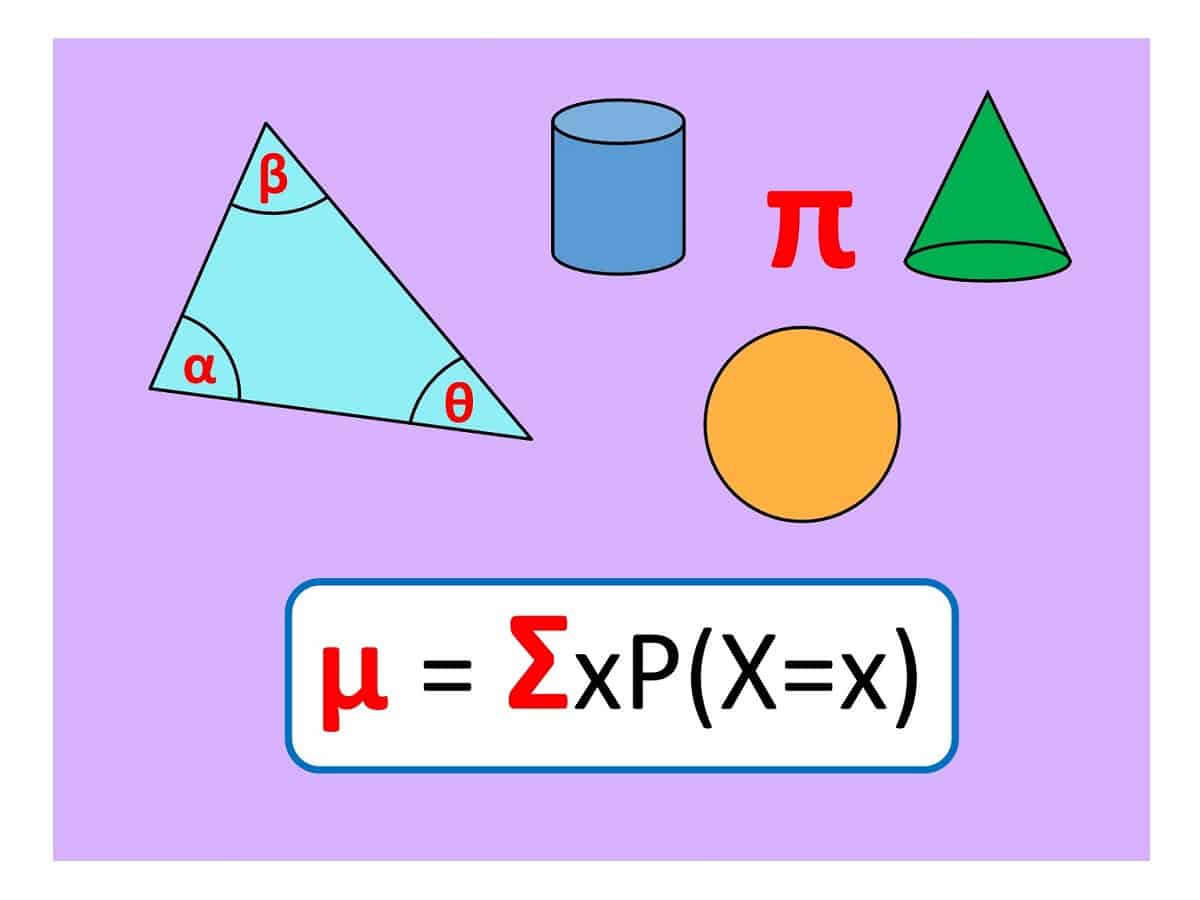
AT GCSE: introducing Greek letters (α, β, γ, δ, …) leaves the more familiar Roman letters (a, b, c, d, …) free to represent other quantities and unknowns. To start with, here are two Greek
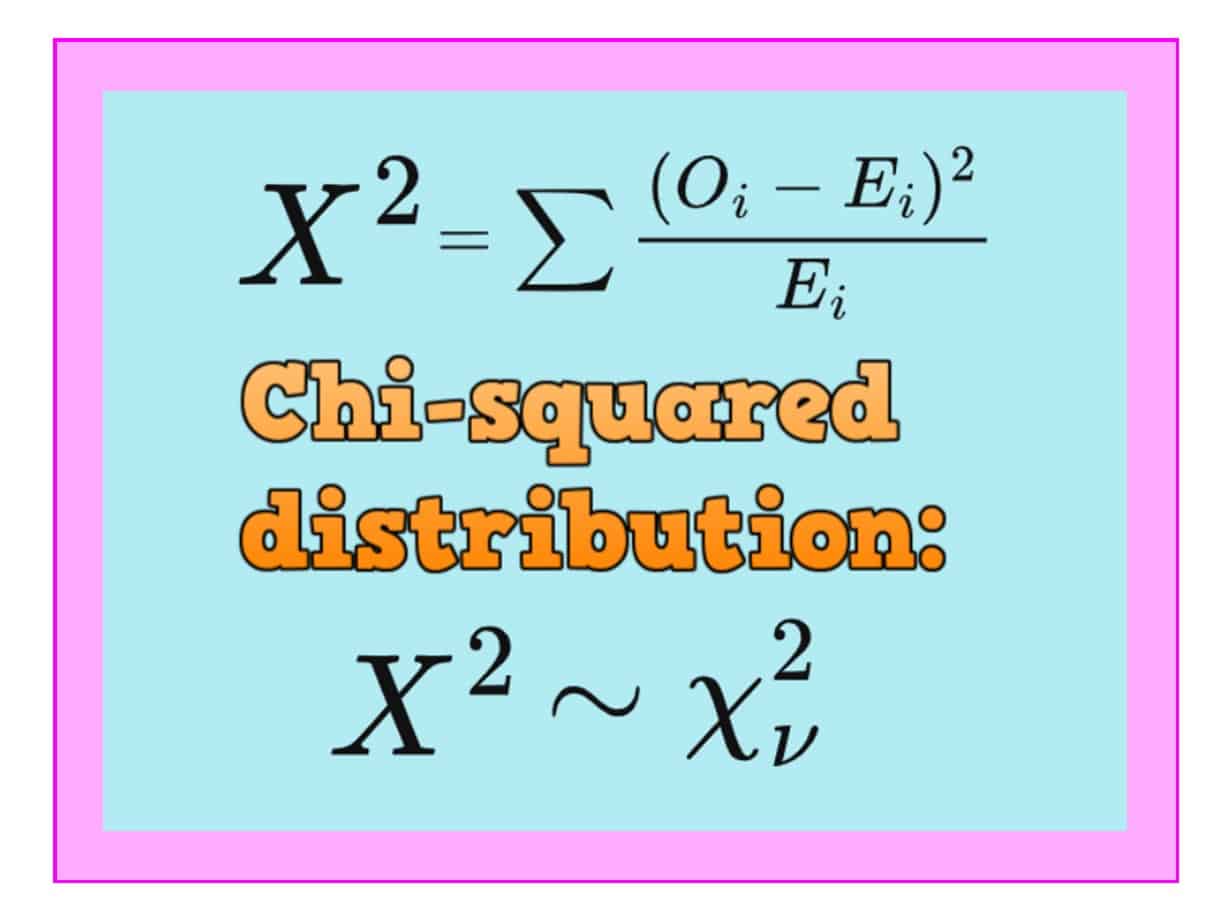
TARGET AUDIENCE: A-level statistics or A-level Further Maths. A Real World example of a chi-squared test in action follows: this sort of test is extremely useful in a huge range of real-world scenarios!At our board
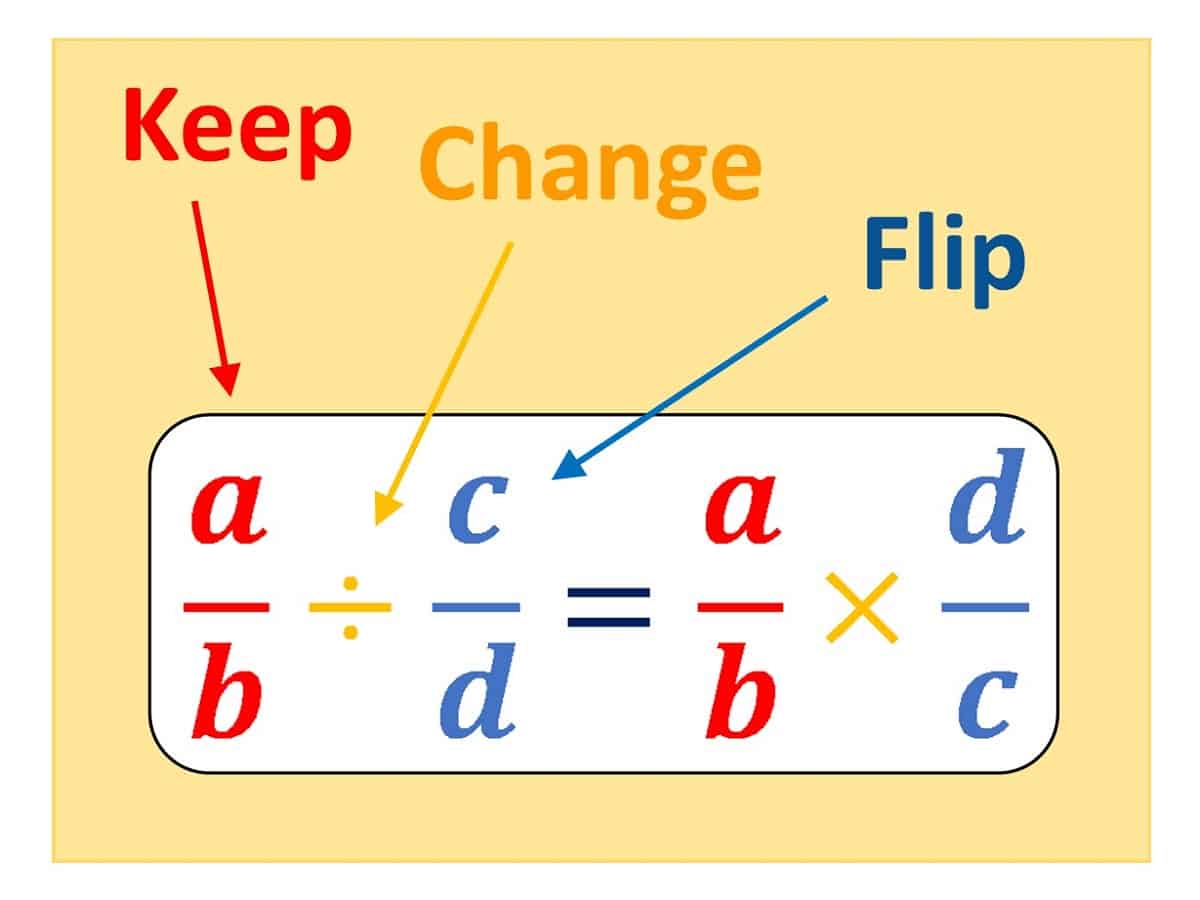
INTUITIVELY:
Let’s see if we can find a rule for dividing by $\frac{1}{2}$.

First of all, it’s easy to see that a 2000 piece jigsaw is more than twice as hard as a 1000 piece jigsaw. To see why: imagine having two 1000 piece jigsaws that are of

I was delighted to find this quote at the start of Seán M. Stewart‘s book “How to Integrate it“. One of the main differences between GCSE and A-level maths is the introduction of calculus. This
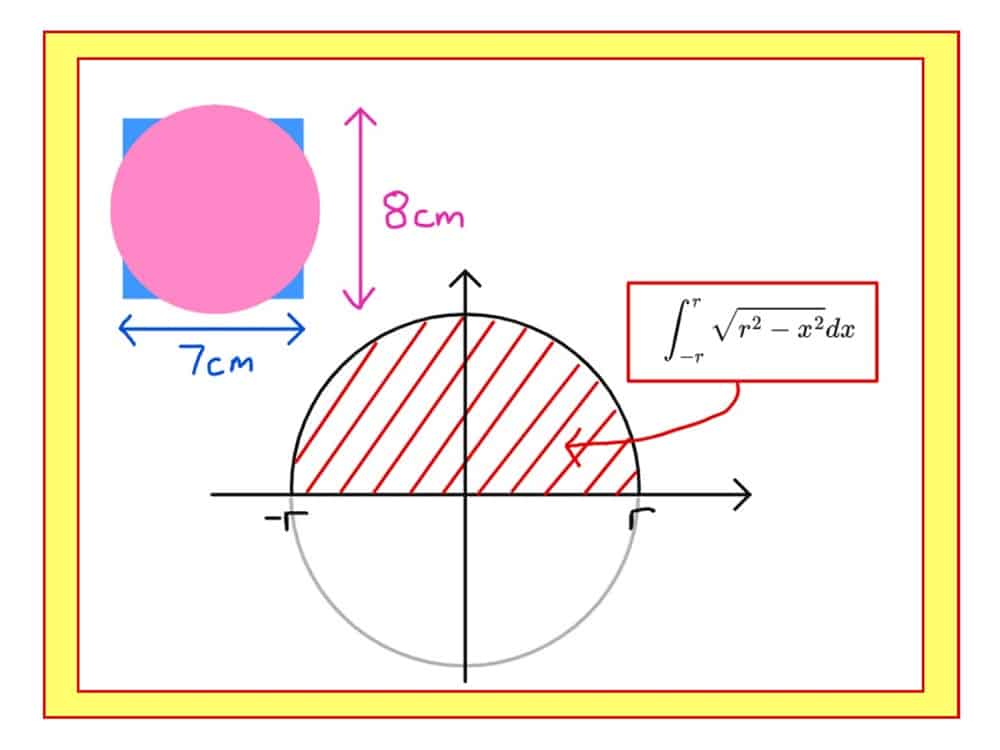
A PUZZLE: which of these shapes is larger: a square of side 7cm or a circle or diameter 8cm? Well that’s easy to answer if you know that the area of a circle is $A=\pi

A quick reminder: if there are 1200 students at our school, it would be very time-consuming (if not impossible) to interview them all for your Sociology project. Here the population is everyone at the school,
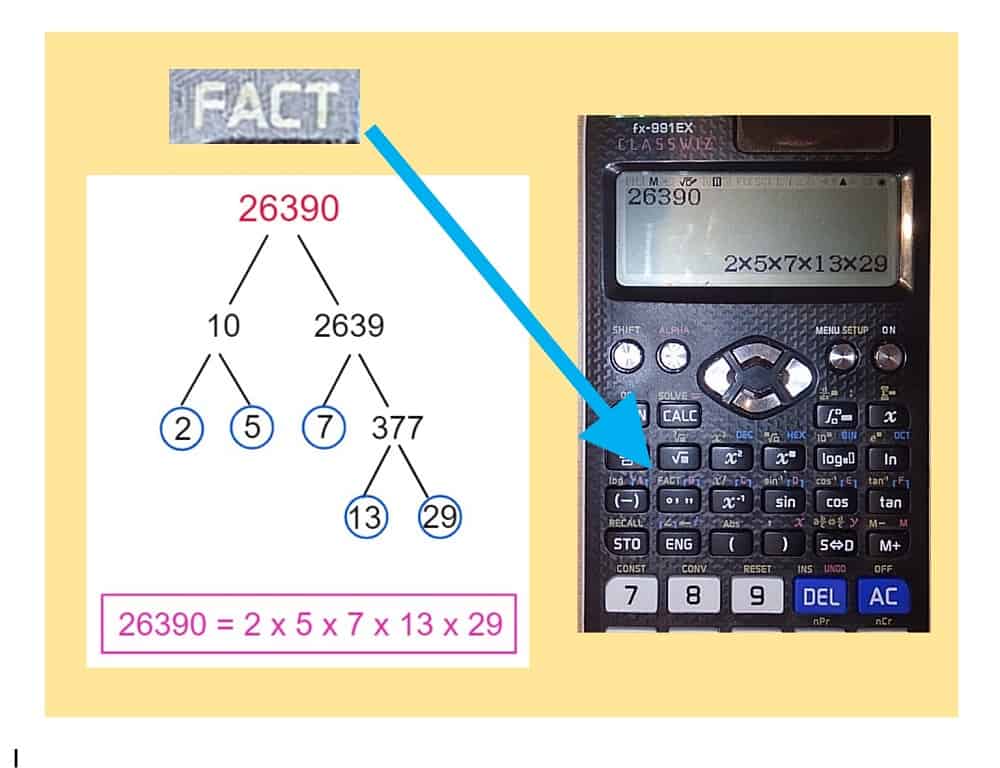
Expressing a positive integer (whole number) as the product of prime factors is a bit like dismantling a machine to see what it’s made of. Let’s try it with 26390. Drawing a Prime Factor Tree
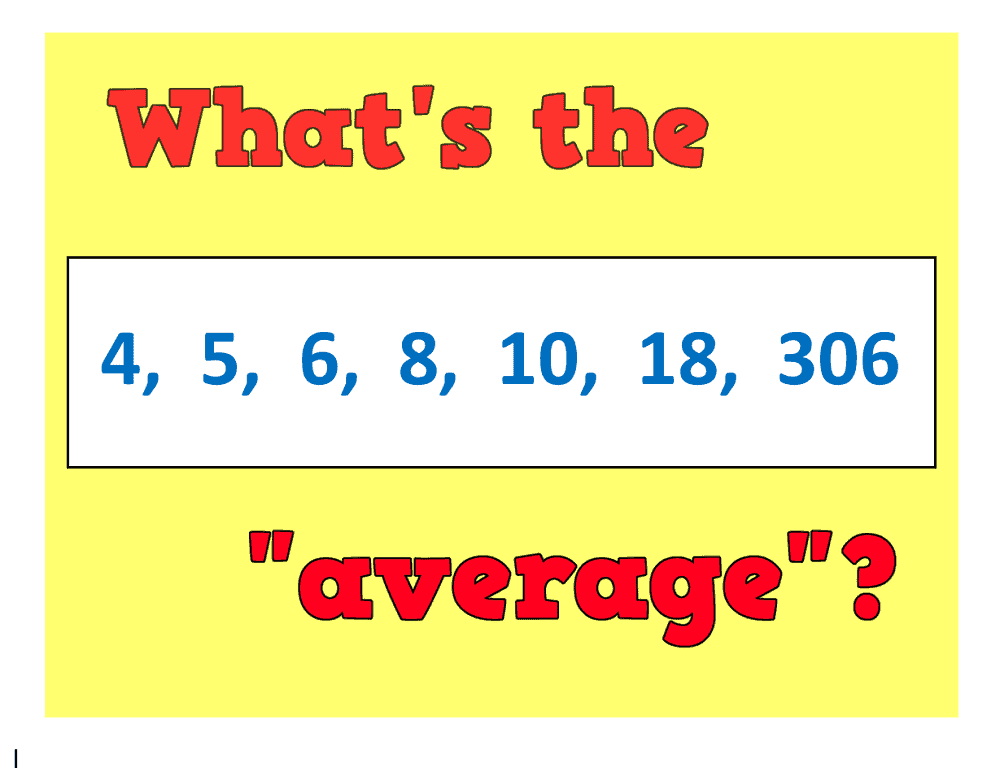
An average is simply a way of picking out a typical value from a set of objects (usually numbers). There are infinitely many different ways to pick a “typical value”, but here are some of